Freddie Gibbs’ increasingly paradoxical ethos
Freddie Gibbs' latest effort is more self-conscious than usual for the Indiana rapper.
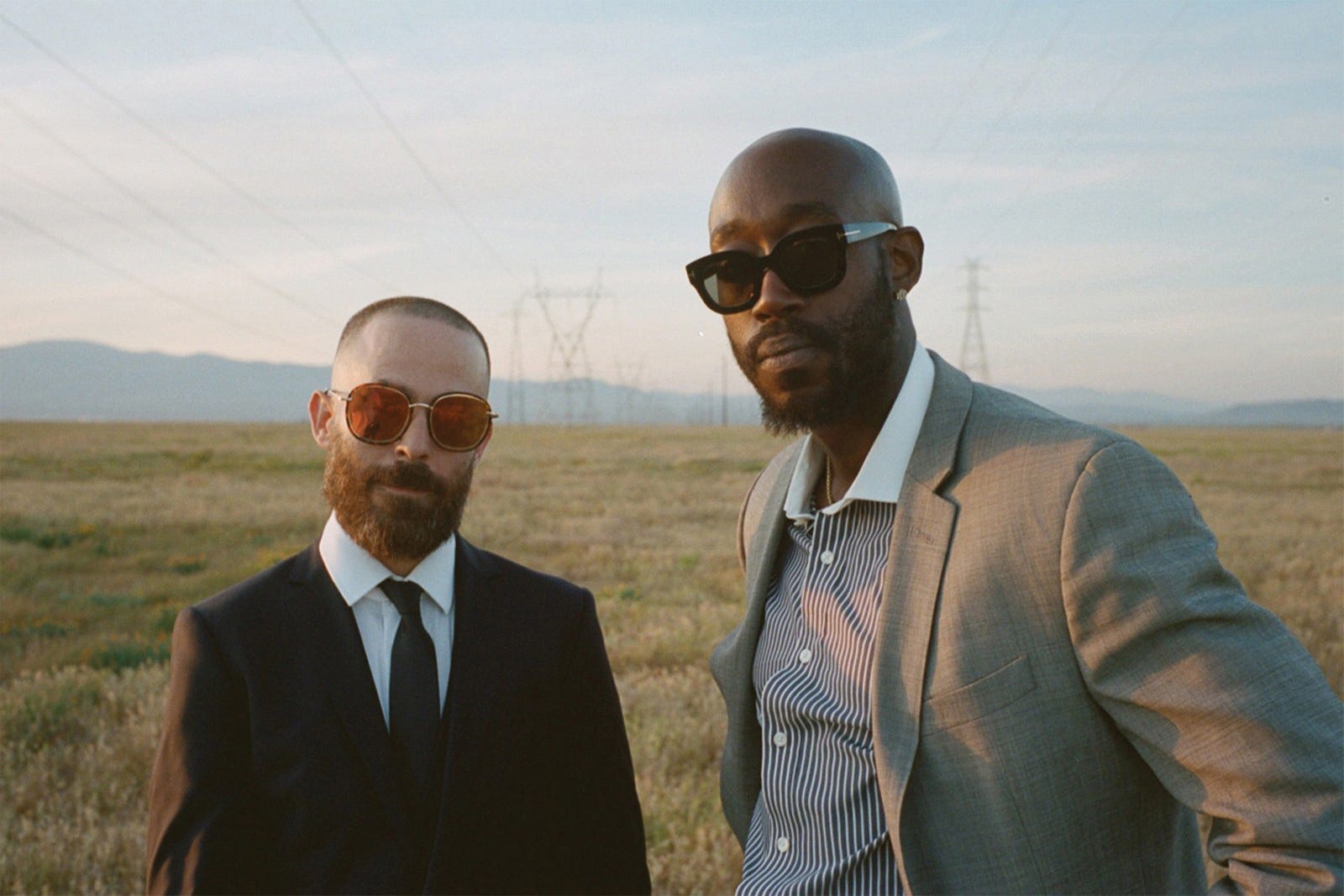
For a rapper like Freddie Gibbs who values friendship and partnership more than anything in his music, there are a lot of people and things he does not like. Gibbs hails from Gary, Indiana–not necessarily a creative nexus, but a city known for crime and Michael Jackson’s origins. Tough roots for a tough man who has been unrelenting in his aspirations for excellence and success in hip-hop, so much so that he often tosses many genre peers to the side without another thought. Gibbs has released full albums in intricate collaboration with legends like Madlib (twice) and The Alchemist (thrice), but on Alfredo 2, his latest effort with the latter producer, Gibbs sounds more self-isolated and malcontent than usual.
Being a great rapper can earn you money and fame, but it can also put pressure on you to share them with others to maintain relevance, regardless of skill. Talented rappers depleting in popularity use collaboration as a crutch rather than foundational scaffolding for their work–they treat it as a business transaction that blocks a chance for creative harmony. Gibbs, such as on Piñata (2014) with Madlib or on Alfredo (2020) with The Alchemist, forces his collaborators to fit into his mold, as opposed to hiring helping hands of virality to inject a faux air of freshness into his work. This is an investment on Gibbs’ part–he is putting the results of his hard work and time at stake by delegating duties to autonomous artists whom he hopes to be aligned with. Look no further than the well-made Fetti (2018), another link-up between The Alchemist and Gibbs with the addition of New Orleans rapper Curren$y, who allegedly failed to properly promote and vouch for the album in its aftermath to the extent that it earned him a diss on Alfredo 2’s “Gas Station Sushi” (Coulda ran that fetti by myself, b***h, I’m the best with Al).
Gibbs’ independence and self-confidence is a recurring and pressing theme on Alfredo 2, an attempt at a victory lap for its Grammy-nominated predecessor. “1995,” a spiritual successor to Alfredo’s “1985,” is a deliberate nod to this notion. Between talking about running it back like addicts and having to return for the sequel, Gibbs is self-proclaiming the legacy of his own résumé, how he went from “gen pop to Netflix.” But the opener simultaneously embodies the paradoxical nature of Gibbs’ propensity to voice his happiness in finding his own way–he was a protégé of Jeezy’s before separating on bad terms–while continuing to resent other artists who he deems as beneath himself. On “Empanadas,” a highlight that finds both rapper and producer in their flow-states, Gibbs still finds space to allocate barbs toward another former collaborator of his, rapping “B****es in Buffalo get the same thing, they was throwin’ plates / Limped away on his good foot, but he ain’t bust a grape,” a reference to Benny the Butcher. Or take “Lavish Habits,” a track with an instrumental that is as decadent as the song’s title, Gibbs dishes a couple bars at hip-hop gossip king DJ Akademiks, someone who doesn’t require further diminishment of his public profile considering how lowly it is already perceived.
“Skinny Suge II” and “I Still Love H.E.R.” showcase Gibbs at his most laser-focused. The former features a grand jazz-line as its musical motif, shepherding Gibbs through some of his most raw lyricism on the album. Paying homage to fallen friends, Gibbs acknowledges that by mere connection to them and by the nature of his lifestyle, he could face a similar fate, making every dollar earned from rap just as significant as the ones garnered before and after. “I Still Love H.E.R.,” an indirect contrast to Common’s “I Used To Love H.E.R.” illustrates Gibbs’ faithfulness to the rap game that provided for him in the same way he had to provide for it; it is a reciprocal relationship that falls apart once one side doesn’t hold up their end of the bargain.
Songs like these are too far and between on Alfredo 2 though. Gibbs’ self-validation is a double-edged sword that grants him the ego that makes his delivery so emphatic and gripping at times, but it also can inspire a sense of malaise when he treats acclaim as a foregone conclusion for his work. Railing against his own M.O., Gibbs employs Larry June and JID for a track each on Alfredo 2 that are both absolutely weighed down by the incongruence of their styles with Gibbs’ own. June is practically wading through water with an anchor tied to his feet while Gibbs tries to pull him through the expansive ocean of “Feeling” on a jet-ski, and they both end up sinking because of it. The opposite applies to “Gold Feet,” where JID wastes an auteur instrumental from The Alchemist with cheap, Michael Bay explosions in his rapid-fire, but substantively hollow, verse. Anderson .Paak, the album’s only other feature, works because there is a honed chemistry that has been displayed throughout the years between Gibbs and him, and it continues to exhibit itself on “Ensalada.” But going one for three is a failing grade when it comes to the art of collaboration that you think Gibbs would have mastered by now.
“Mar-a-Lago,” “Lemon Pepper Steppers” and “Gas Station Sushi” are agreeable for all Gibbs’ fans but could pass as edits of efforts prior rather than new creations. For someone who presents himself as fiercely independent and holds self-enforced standards, Gibbs seems awfully consumed by both talking down his allegedly miniscule adversaries, while turning around to give himself a pep-talk in the mirror. Although Alfredo 2 may not totally reek of desperation in this regard, it certainly displays a self-conscious uncertainty in itself that had yet to be found on Gibbs’ most recent output.