The domestication of Biden’s green revolution
How feasible is Biden's attempt to shift to a greener world?
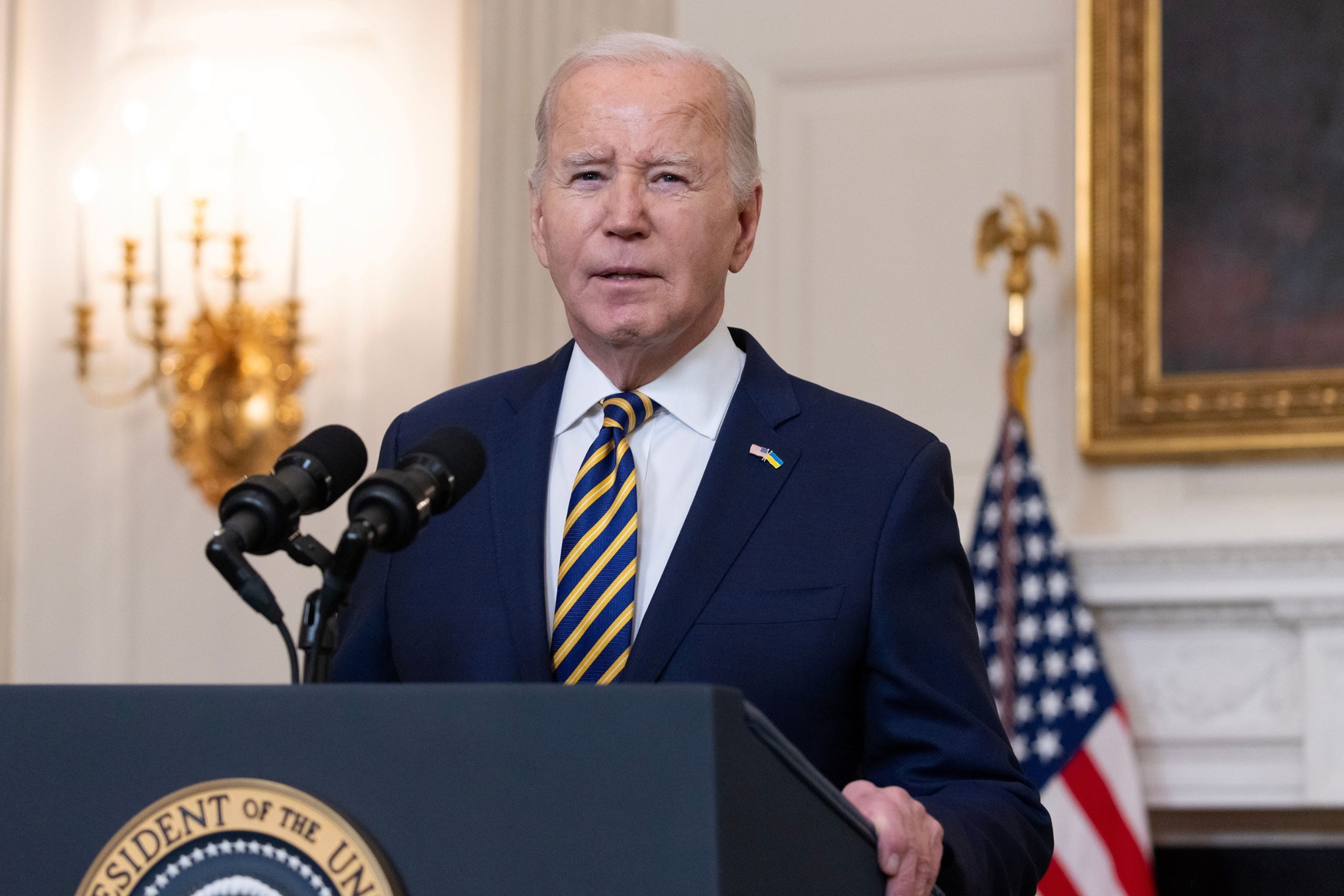
The administration of President Joe Biden is leading us into a new industrial revolution that is more technologically advanced than ever before, but contradictorily narrowing its scope of impact. This is a stark contrast from the international economy that proponents of modern globalization have espoused as the only manner of conducting business. Moments like the demolition of the Berlin Wall and the collapse of the Soviet Union in 1991 portrayed a desire for global superpowers to stop competing and join hands in prosperity. There was no need for bipolarity when everyone could win by interlinking economies and affairs; this could even have a trickle-down effect onto third-world and underdeveloped countries with raw resources and ripe land for investment from their first-world counterparts. But over the course of Biden’s presidency, particularly since Russia’s full-scale invasion into Ukraine, the executive branch has taken a gradually more economically isolationist approach under the guise of environmental protection.
Biden’s predecessor, Donald Trump, is well-known for being one of the most introverted presidents of all time when it came to foreign relations. Trump would come out of his shell for autocrats who could barely be trusted to help the United States because of the opaqueness of their own countries’ welfares. And America’s cocoon only hardened during the COVID-19 pandemic, where Trump made sure to xenophobically ostracize fellow members of the global community like Chinese President Xi Jinping. Since Biden took office, he has tried to cool the boiling tension between the U.S. and China, as well as mediating in affairs within the Middle East to strike up business between former adversaries like Saudi Arabia and Israel. Unfortunately, the Israel-Hamas War is taking a similar toll on Biden’s generosity in foreign affairs as the pandemic did to Trump’s tolerance of global relations. The United States is already aware of how essential it is to enhance its domestic production of normally importable goods because of the strain that the pandemic had on the global supply chain. With this in mind, the money that both the Russia-Ukraine and Israel-Hamas wars are costing the U.S. is indirectly accelerating the America-first agenda that Biden had been slowly trying to implement since the passage of the Inflation Reduction and CHIPS Acts (2022).
The IRA effectively incentivizes American businesses to switch to greener methods of production in order to wean them off cheaper imports from foreign competitors like China. The most significant effect of this has been the pressure to switch to electric vehicles (EVs) from standard gas-powered ones. This was a concern because China dominates the EV market, specifically for the cars’ smaller vitals like batteries. The IRA says that EV producers in the U.S. can qualify for tax credits if the majority of its battery’s parts are derived from North America or a country that the U.S. has a free-trade agreement with.
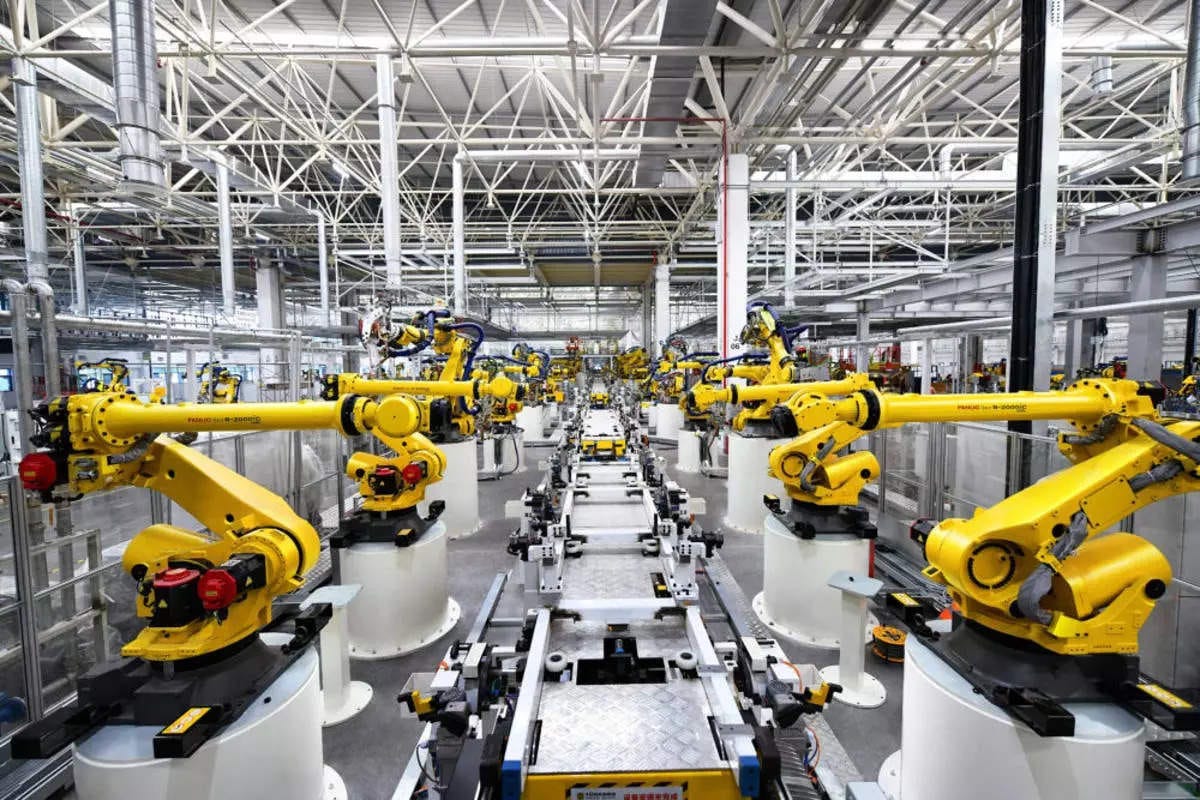
Biden’s CHIPS and Science Act (2022) went into action around the same time and had a similar impact. It has affected rural areas of the country that many citizens have felt have been left behind or usurped by the international globalized marketplace. Take Syracuse in upstate New York for example, a city that is within a couple hours from one of the nation’s former industrial hotspots in Utica before General Electric took their business elsewhere to more urban communities, effectively destroying the city’s economy. It is surely symbolic that shortly after the IRA passed, Biden visited Syracuse to announce the construction of the largest semiconductor manufacturing facility in the country, which would open up thousands of new jobs. Semiconductors are a main contributor to the production of clean energy. The goal of a bill like this was also steeped in geopolitics though, as Taiwan is the most prolific producer of semiconductors and is simultaneously in perpetual dispute with China over their sovereignty. The fear of China potentially invading Taiwan in a similar fashion to how Russia attacked Ukraine has been present on the minds of the Biden administration for a while now. This is especially because of how geographically treacherous a war would be and militarily armed China has become, if the U.S. were to get involved. The United States has two primary reasons to vicariously take offense to China’s encroachments on Taiwan: 1. The fear that a China usurpation of Taiwan would influence greater democratic backsliding in Asia; 2. Almost all of Taiwan’s exports to America are “machinery and electrical equipment,” or in other words, semiconductors and related devices. While the CHIPS act may not have seemed like a force of realpolitik, it certainly was and one that was reminiscent of Reagan Republicanism. This is an ideology of protectionism and free market promotion in terms of domesticity, rather than an international application of it. Less reliance on Taiwan as a trade partner also strips China of leverage to extort the U.S. in international affairs due to a lessened stake in the Asian conflict. America is gradually removing itself from potentially feeling pressured into getting involved if tensions do escalate in the future.
The Biden administration has also developed a pragmatist approach to fossil-fuel use in the United States. Although the CHIPS and IRA initiatives will certainly accelerate the country’s transition to a greener industrial setup in the future, it is not a viable short-term solution if the U.S. still wants to decouple itself from countries like China and Taiwan. Semiconductor production factories are continuously dealt delays and even though Congress apportioned billions of dollars for EV charging infrastructure, its construction has been so slow that Americans are still reluctant to make the green transition to gasless cars. This has placed Biden in the unenviable position of seeming two-faced in his public concerns for the environment; while his policies should prevent the use of nonrenewable resources in theory, there is still a reliance on them until the foundation of the bills actually form. This has led to difficult decisions like his approval of the Willow oil-driving project in Alaska that faced massive blowback from local communities and environmental activists. More than this though, the closure of oil production sites in light of Biden’s environmental policies has reduced U.S. standing in its international market, but will seemingly incite unprecedented levels of oil “drilling efficiencies” to compensate for the diminishing variety of choice that consumers once had with oil production in the nation.
Biden is having to move right to get his lefty environmentalism to become feasible in the foreseeable future. This is particularly significant considering both how consumed with his legacy Biden is as the man who righted the ship in the post-Trump era, but also with the looming possibility of a return to that prior political period this upcoming election. With a Trump vs. Biden rematch looking inevitable, Biden needs to solidify his resume for general election voters. By playing both sides– friendly to conservative Big Oil in the short-term, and progressive activists in the long-term –he is attempting to center himself in a world of partisanship. Biden’s policies also have a logistical element to them, as the little-known 1996 Congressional Review Act provides Congress with the power to repeal federal agencies’ rules within 60 congressional session days of their implementation. This means that if Biden does not collaborate with an agency like the Environmental Protection Agency (EPA) hastily enough, all could be lost with Trump’s apparent plan to overhaul the federal bureaucracy and install loyalists. Still, I worry Biden could be pointlessly holding back on his progressive vigor in order to appear more moderate to a public that already has little faith in the aggression of his environmental initiatives.