The disunited states of America
All signs point to further political brinkmanship.
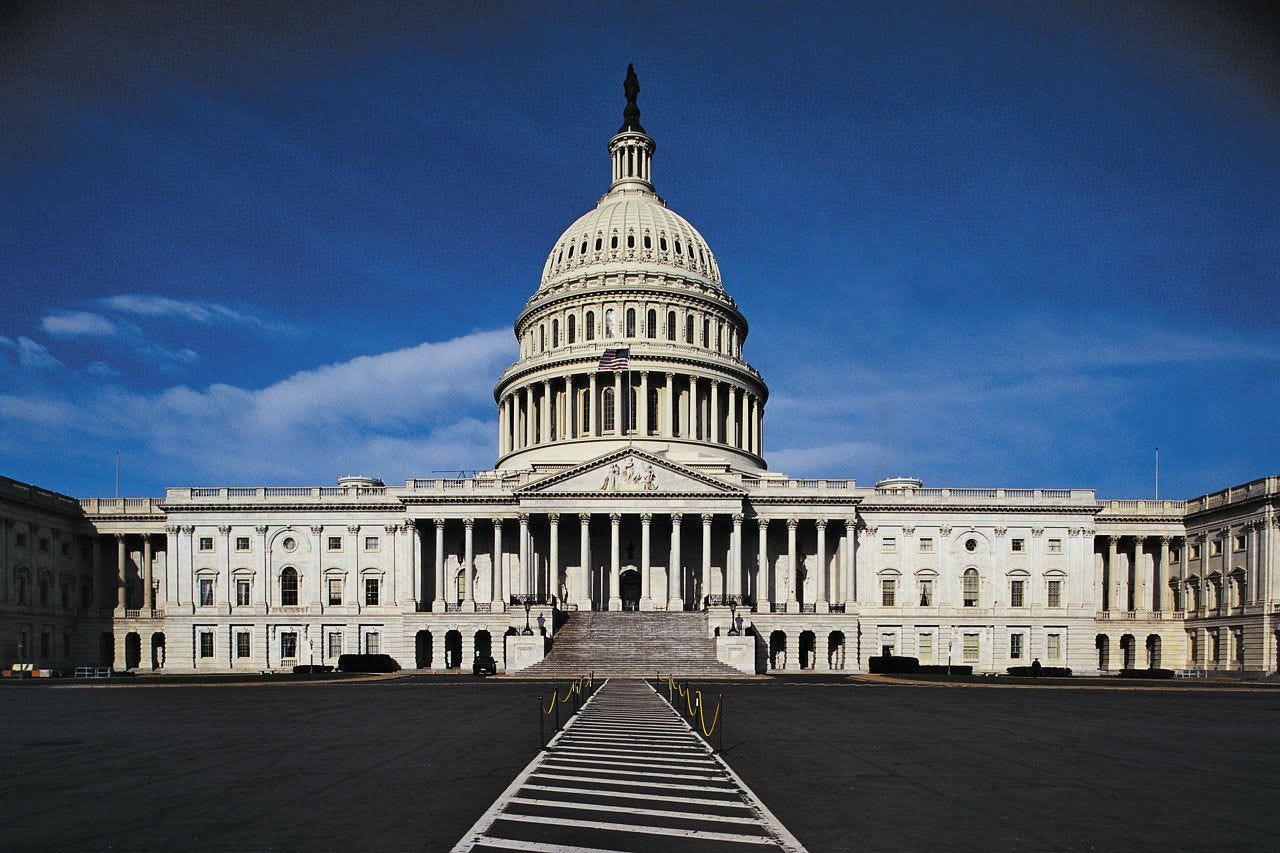
The United States is in a partisan policy war and the biggest losers are civilians. The current adversarial tone of U.S. politics cannot be considered a “civil” war because it is the least civil. It is awfully petty and is most detrimental to the individual liberties of its own civilians. Rather than a diplomatic war of words that would normally lead to bipartisan policy-making, the nation is in a state of severe congressional deadlock. The slim Republican majority in the House of Representatives and minuscule Democratic majority in the Senate have exacerbated the unprecedented partisan lines that had been drawn in sharpie during former President Donald Trump’s time in office. The U.S. is a distance away from the days of former House Speaker Newt Gingrich (R-GA) being seen as the embodiment of polarization. Instead, Congress’ impotence has decreased state representatives’ say in federal lawmaking, leaving a huge gap for President Biden’s executive branch and respective state Governors to duke out what should be the law of the land.
The most recent example of this classic battle between federalism and anti-federalism has been a continuation of Dobbs v. Jackson (2022). Dobbs removed the federal government’s jurisdiction over abortion that was founded in Roe v. Wade (1973). On February 20th, 2024, the Alabama Supreme Court ruled that the frozen embryos for in vitro fertilization (IVF) should be considered equivalent to human life. While seen as an extension of the conservative goal of politicizing childbirth, IVF is a hugely popular procedure on both ends of the political spectrum. Kellyanne Conway, formerly the senior counselor and campaign manager of President Donald Trump, conducted polling that showed that 78% of “pro-lifers” and 83% of Evangelical Christians supported IVF, with 86% of all respondents (of whom where women, Republicans and Independents) supporting the procedure. What makes the court’s decision even more bizarre is the context of the original case that was brought in the first place. Based on the extremely stringent conditions of a group of couples who sued a hospital for accidentally breaking their embryo encasements, the prosecution simply wanted the clinic to be held liable for their irresponsible actions. Instead, the court interpreted it as an opportunity to declare embryos as virtually children and the clinic as essentially murderers.
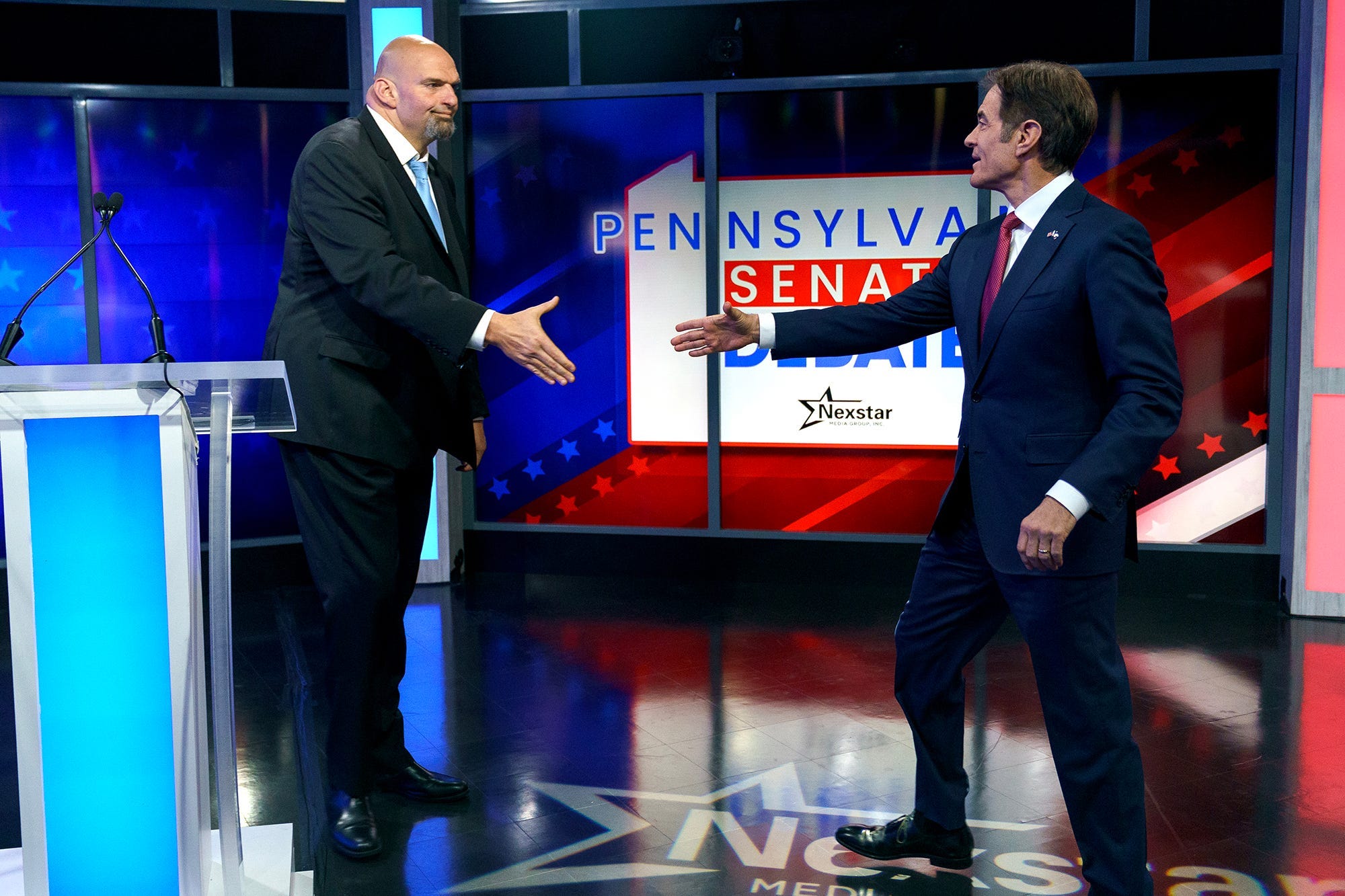
Before delving deep into the national blue versus red divide, it is important to understand the in-fighting within both parties. The IVF ruling has epitomized the whiplash that the 2022 midterm elections caused for national-level Republicans who were expecting a red-wave supermajority over Congress. Instead, they underperformed immensely and achieved a slim majority in the House of Representatives, where mayhem ensued over the nomination of its speaker, and a slim minority in the Senate. Many Republican candidates who had shockingly lost included hard-right MAGA proponents like senatorial candidate Mehmet Oz (R-PA) and gubernatorial candidate Kari Lake (R-AZ). Many political pundits from both sides blamed these candidates for being too conservative about dinner-table issues like abortion. This drew out younger voters who were especially concerned with preserving their individual liberties. The new IVF ruling embodies how unclear the discourse is among GOP leaders about how far right Republicans should go this election year. This is captured by how the IVF decision has already caused a major divide between high-level Republicans. Governors like Brian Kemp (R-GA), Bill Lee (R-TN) and Chris Sununu (R-NH) have all voiced their support for allowing IVF procedures to continue. Still, the governors understand that they are straddling a line between public opinion and their party platform, so Lee and Kemp refused to expand on their opinions, with only Sununu, who is known to be quite pro-choice, calling it “scary.” Even Republicans who think they support the ruling seem to be confused over whether it will do more harm than good: Senator Tommy Tuberville (R-AL) voiced his support for banning the procedure because he believed it would lead to more childbirth, not comprehending that IVF was used for that exact purpose.
This has opened up a golden opportunity for Democrats to pinpoint another example of Republican-led states taking action on issues that the nation has not called for. The National Republican Senatorial Committee recognized this when following the ruling, they encouraged their candidates to support IVF treatment. Vice President Kamala Harris, who has repeatedly been asked if she could succeed Biden under extraneous circumstances, has taken front-stage on the ruling for Democrats. Harris called the ruling “outrageous” and said it neglected women’s freedom. President Joe Biden also called the ruling “a direct result of the overturning of Roe v. Wade,” a case he blames Mr. Trump for installing justices that made the repeal possible. This inadvertently emphasized a weak point in Mr. Biden’s generally socially progressive political agenda, as even though he directly referenced the pivotal case that overturned the right to abortion in many states, Biden has only once explicitly mentioned the word “abortion.” His administration has also never used the word in any public statements honoring the legacy of what Roe meant at the time. Biden has referred to his Catholic background on why he is not as publicly supportive of abortion as most of his Democrat peers, but in a time where abortion referendums have caused policy wars within and between states, it is worrisome for the Democratic coalition to not have a strong-spoken supporter of it at the helm.
From 2022 to 2023, there were 7 abortion-related ballot measures conducted at the state level. 6 of the 7 saw the pro-choice vote winning out. This included swing states like Ohio and Michigan, but also blue strongholds like California and Vermont. Republicans have largely begun to understand that full-on abortion bans are majorly unpopular, so they have shifted to methods of indirectly impacting the childbirth experience through means like the IVF case, but also by controlling how doctors treat their patients.
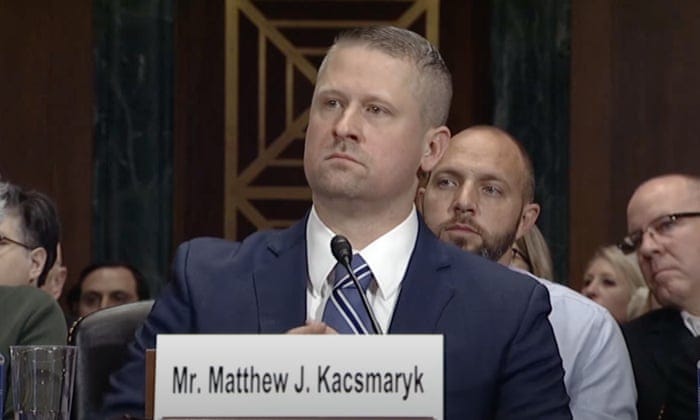
This has taken form in a debate over the legality of abortion pills, specifically the two-step process of intaking mifepristone and misoprostol. While Texas federal judge Matthew Kacsmaryk officially put the FDA’s approval of mifepristone at risk, that was just the start of the snowballing that would occur over the medicine. States that have implemented strict abortion regulations have influenced doctors who would normally prescribe these pills to prevent potential miscarriages or irreparable pregnancy complications to steer away from doing so out of fear of state prosecution. There are 15 states that currently have complicated the medication abortion process and this has led to controversies over interstate shipments of these pills from states that allow it to those that do not. For example, prescribed pills from Massachusetts have been reportedly sent to anti-abortion states like Texas. Because Dobbs largely diminished the federal government’s ability to involve itself in state-level abortion dialogue, state officials have now been bickering among themselves over whether this is a violation of state sovereignty. Anti-abortion proponents are also relying on a Civil War-era law to defend themselves. The Comstock Act was originally passed as a response to pornography and other “lewd” material being sent in the mail during the war and has now been reinterpreted, most prominently by Judge Kacsmaryk, as justification for why abortion pills cannot be sent through federal mailing services.
Threats towards individual liberties have been a common theme in these kinds of state-level disputes. The once small-government Republicans now want big state-government jurisdiction with little federal oversight to enforce their opinions on individuals’ rights. Another machination of this perspective has been the fight over LGBTQ+ citizens’ rights. The most recent result of which is another state-level law that laughs in the face of the U.S. Supreme Court. Tennessee Governor Bill Lee (R-TN) recently approved a measure that would allow officials to refuse approving of marriages as they please. In other words, it enables public officials to claim a religious defense when rejecting the legitimacy of same-sex marriages that violate their values. This is in defiance to the landmark Obergefell v. Hodges (2015) ruling, of which Biden was then Vice-President to President Barack Obama, and that enshrined the federal right for citizens to partake in a same-sex marriage.
Speaking of same-sex marriages and SCOTUS, Supreme Court Justice Samuel Alito recently provided conservative state actors with a hangnail to pull when it comes to future challenges toward the practice. Alito emphasized the “danger” of the implications and interpretations that Obergefell could continue to cause, specifically as a threat to the 1st Amendment rights of the highly religious. Alito and fellow conservative Justice Clarence Thomas were the only two dissidents in Obergefell.
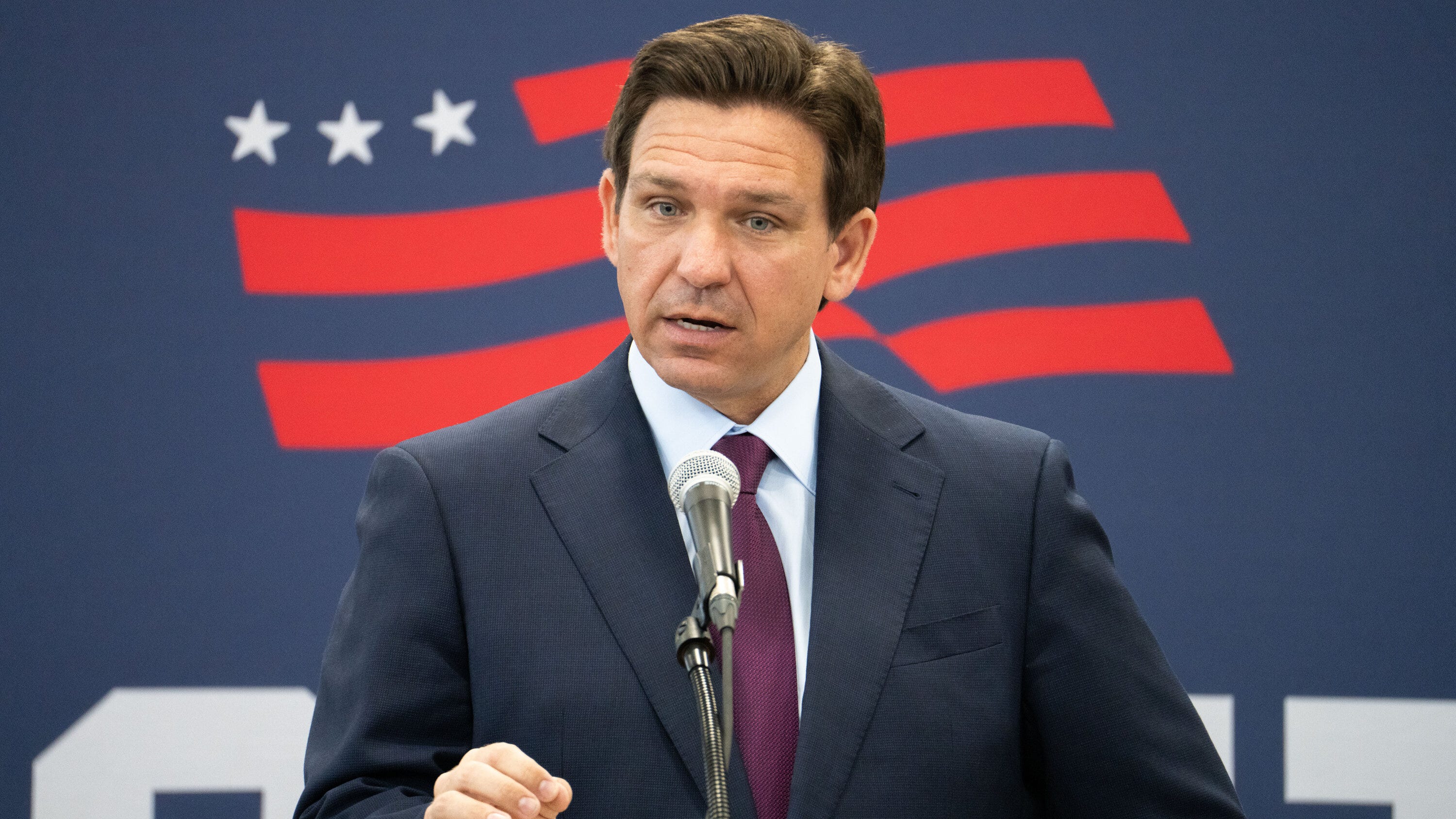
Transgender rights have also been a hot topic of conversation for how conservative state actors can engage in culture wars. Because Congress has been deadlocked since the 2022 midterms when it relates to actual federal legislation, state political operatives have pounced on opportunities to focus on polarizing policies that Congress is not willing to discuss themselves. Governor Ron DeSantis (FL-R) signed a law last year that enacted more restrictions for gender-affirming care, and fully banned it for minors, while also making it a crime to violate these rules. Since DeSantis’ landslide reelection in 2022, and excluding the time during his 2024 presidential campaign, he has made Florida into a conservative bellwether for future policies in Republican-dominated state legislatures. Other states with additional restrictions or bans on transgender medical treatment include Utah, North Dakota and Alabama.
Culture wars have been an easy way for Republican state politicians to earn brownie points with their constituencies by seeming like effective policymakers, even if their bills are controversial or appealed. A similarly pressing, but seemingly federally irreparable, national crisis has been immigration; both regarding the southern border and the transportation of migrants to the northeast. The latter concern has been forcing Democratic strongholds to take more conservative stances on immigration. Because of the lack of congressional and federal action on it, southern state leaders like Governor Greg Abbott (R-TX) and Governor DeSantis have been transporting their state’s migrants to areas like New York City and Chicago, where they have the relatively relaxed ‘right-to-shelter’ law. Beyond this creating direct antagonism between state leaders, it has also strained the largely Democratic New York and Illinois governments’ relationship with the Biden administration. New York City Mayor Eric Adams (R-NY) has demanded more federal aid because of the state costs that the migrant crisis is incurring upon New York.

To add insult to injury with immigration worries, Governor Abbott is now directly engaging the Biden administration in a battle of legal jurisdiction over the matter. It is one matter to spend $148 million of your state’s own funds to bus migrants to other states, but now Governor Abbott has made it a state-level crime to illegally enter Texas, effectively usurping prosecutorial authority from the federal government. In a statement from the Governor’s office, Abbott claims that:
-
President Biden has violated his oath to faithfully execute immigration laws enacted by Congress. Instead of prosecuting immigrants for the federal crime of illegal entry, President Biden has sent his lawyers into federal courts to sue Texas for taking action to secure the border.
-
President Biden has instructed his agencies to ignore federal statutes that mandate the detention of illegal immigrants. The effect is to illegally allow their en masse parole into the United States.
-
By wasting taxpayer dollars to tear open Texas’s border security infrastructure, President Biden has enticed illegal immigrants away from the 28 legal entry points along this State’s southern border-bridges where nobody drowns—and into the dangerous waters of the Rio Grande.
Beyond the legal ramifications that Texas’ laws causes, it also provokes diplomatic concerns with other countries, especially Mexico because of the geographical proximity of the southern border. Governor Abbott wants to be able to arrest and send back illegal immigrants to Mexico, but the thing is that not all of the migrants crossing the border are Mexican. The Mexican government is understandably upset about this. Additionally, the Texas laws complicate the United States’ federal asylum procedures for immigrants; there is the possibility that someone rightfully seeking asylum could be prematurely tried and convicted by a state court. The federal government has already responded to what they see as legislative overreach by Texas, removing the barbed wire that Texas Border Patrol agents had installed. The U.S. Supreme Court sided with the Biden administration about this, as well as regarding the removal of river barriers put up by Texas that were intended to dissuade maritime entries into the state.
States fighting with states, states fighting with the federal government, neither is conducive toward national unity. These political and social chasms are only intensified by its loudest voices, such as Biden, Trump and also Republican presidential candidate Nikki Haley. Haley has made confusing statements about whether she supports the IVF ruling, analogous to Senator Tuberville’s, in addition to her opaque stance on abortion policies. Even Trump does not support the IVF ruling, and while he has been soft-spoken about his abortion policies, he reportedly desires relatively stringent restrictions upon it. The lack of clear guidance within the leadership of both parties on these issues in coalescence with a sedentary Congress will only incite further urgency for the aforementioned state leaders to run through their policy agendas. That is, before the 2024 elections hopefully provide clarity on who is actually running this country.